




Wabi-sabi is closely connected to Zen philosophy, particularly the idea that nothing is permanent, nothing is complete, and nothing is perfect. It is also closely related to the Scandinavian concept of hygge, which focuses on comfort, warmth, and everyday well-being in living spaces.
Often described as the beauty of things that are imperfect, impermanent, and unfinished, wabi-sabi represents a way of seeing the world that values authenticity over perfection.

Origins and Meaning of Wabi-Sabi
The concept of wabi-sabi combines two related ideas:
- Wabi refers to a quiet, understated beauty and simplicity
- Sabi refers to the beauty that comes with age, wear, and natural patina
Together, they express an aesthetic that embraces the natural lifecycle of objects and environments.
Wabi-sabi is closely connected to Zen philosophy, particularly the idea that nothing is permanent, nothing is complete, and nothing is perfect.

Key Principles of Wabi-Sabi
Wabi-sabi is defined by a set of aesthetic and philosophical principles that influence art, design, and everyday life.
Imperfection and Asymmetry
Objects and spaces are appreciated for their irregularities, imperfections, and unique characteristics rather than uniformity.
Simplicity and Minimalism
Wabi-sabi emphasizes simplicity and the removal of excess, allowing essential elements to stand out naturally.
Natural Materials and Aging
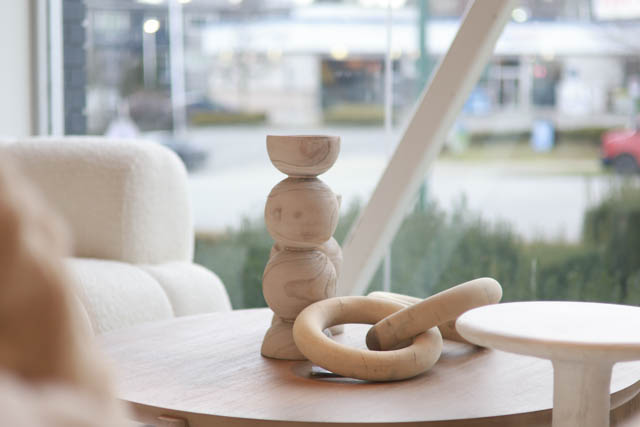
Materials such as wood, clay, linen, and stone are valued for their organic qualities and how they change over time.
Appreciation of Time and Transience
Aged surfaces, weathered textures, and signs of use are seen as meaningful rather than flaws.
Quietness and Subtle Beauty
Wabi-sabi avoids bold or flashy design, instead focusing on calm, understated aesthetics.

Wabi-Sabi in Interior Design
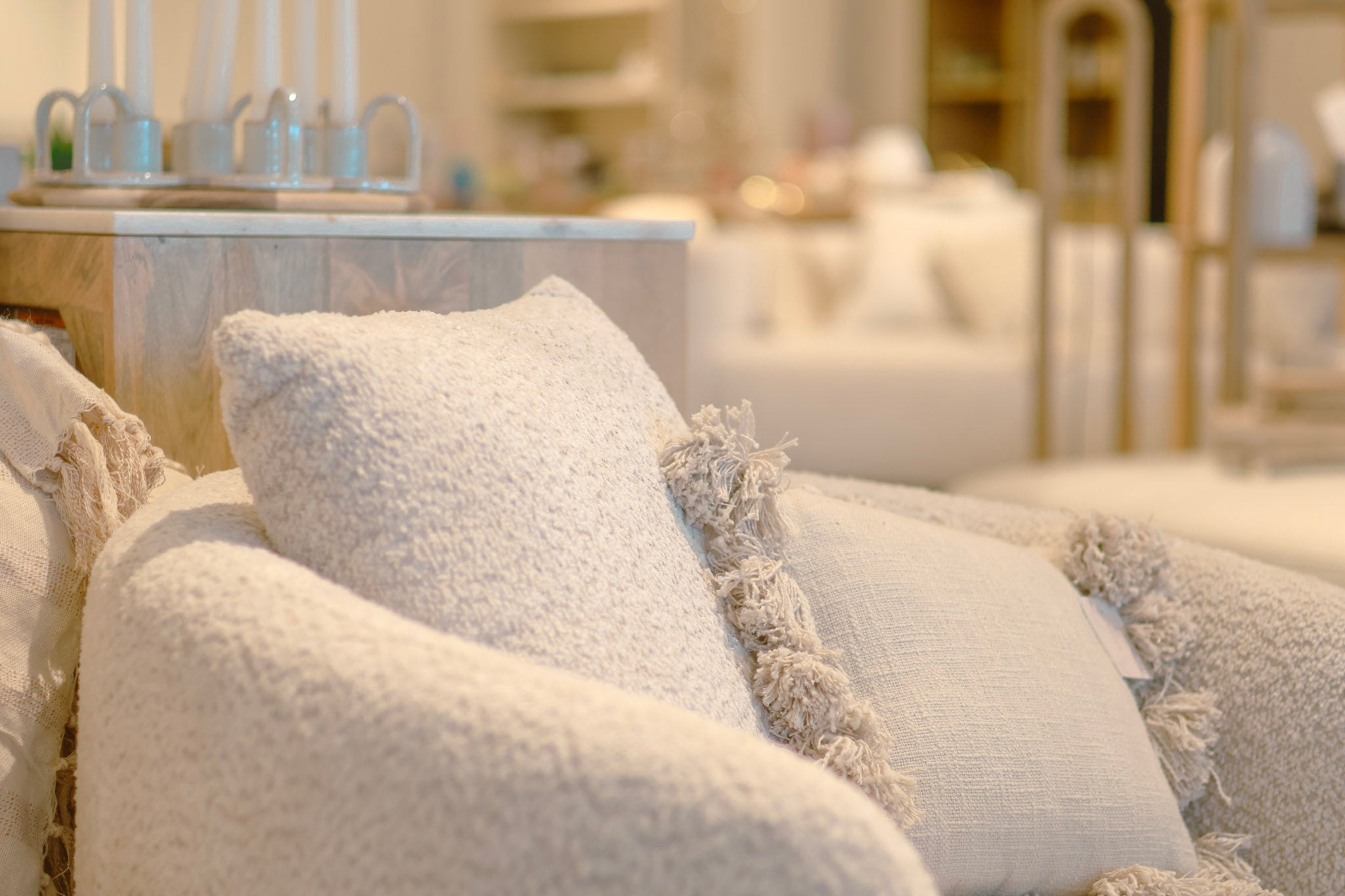
In interior design, wabi-sabi is expressed through spaces that feel calm, natural, and lived-in. Rather than striving for perfection, wabi-sabi interiors embrace authenticity and simplicity.
Common elements include:
- raw or unfinished materials
- muted, earthy colour palettes
- handcrafted or artisanal objects
- irregular shapes and textures
- minimal decoration and clutter
Furniture in wabi-sabi interiors is often simple, functional, and made from natural materials, with an emphasis on durability and character.
Wabi-Sabi and Modern Living
Wabi-sabi has gained global popularity as people seek alternatives to perfection-driven design and fast consumption. It offers a more mindful approach to living by encouraging appreciation of what already exists.
In modern homes, wabi-sabi is often applied to:
- reduce visual clutter
- create calm environments
- embrace natural wear and aging
- prioritize quality over quantity
This makes it particularly relevant in contemporary interior design and lifestyle trends.
Wabi-Sabi vs Minimalism
Although wabi-sabi shares similarities with minimalism, the two concepts differ in intention.
- Minimalism focuses on reduction and simplicity
- Wabi-sabi focuses on imperfection, texture, and emotional depth
While minimalist spaces may feel clean and structured, wabi-sabi spaces feel organic and lived-in.

Influence of Wabi-Sabi on Contemporary Design
Wabi-sabi has influenced modern architecture, interior design, and furniture design around the world. Designers often incorporate its principles to create spaces that feel authentic, balanced, and connected to nature.
This influence can be seen in the use of natural materials, irregular forms, and designs that celebrate imperfection rather than hide it. These principles are also reflected in styles such as Japandi design, where Japanese minimalism and Scandinavian comfort are combined to create balanced and functional living spaces.
Frequently Asked Questions About Wabi-Sabi
What does wabi-sabi mean?
Wabi-sabi refers to the appreciation of beauty that is imperfect, impermanent, and incomplete.
Is wabi-sabi a design style?
Wabi-sabi is not a strict design style but a philosophy that influences design, art, and lifestyle.
What materials are used in wabi-sabi interiors?
Natural materials such as wood, stone, linen, and clay are commonly used.
Why is wabi-sabi popular today?
It offers a more mindful, calming approach to living that contrasts with perfection-focused modern lifestyles.
Final Thoughts
Wabi-sabi represents a shift in perspective, encouraging people to find beauty in imperfection and meaning in simplicity. Its principles continue to influence modern design and everyday living by promoting authenticity, balance, and a deeper connection to the natural world.