



What Is Hygge?
What Is Hygge? The Danish Concept of Comfort and Cozy Living
Hygge (pronounced “hoo-gah”) is a Danish cultural concept that describes a feeling of comfort, coziness, and emotional well-being created through simple and meaningful everyday moments. Originating in Denmark and widely embraced across Nordic countries, hygge reflects a deep appreciation for calm environments, soft atmospheres, and balanced daily routines.
Rather than representing a specific design trend or decorative style, hygge is considered a lifestyle philosophy centred on warmth, presence, and intentional living. In modern contexts, it has become closely associated with interior design, home décor, and mindful living.

Cultural Background and Meaning of Hygge
The concept of hygge has been part of Danish culture for centuries and symbolizes a sense of safety, warmth, and togetherness. While strongly connected to Denmark, similar cultural values exist across Scandinavia, where long winters and indoor lifestyles have historically shaped the importance of cozy and inviting environments.
In Danish culture, hygge is not considered a luxury or seasonal trend. It is a daily practice experienced through quiet evenings, shared meals, warm lighting, or simply enjoying a peaceful moment. The essence of hygge lies in creating an atmosphere that supports emotional comfort rather than material excess.
Key Characteristics of Hygge
Hygge is created through a combination of environmental, sensory, and emotional elements that contribute to a warm and welcoming atmosphere.
Comfort and Relaxation
Hygge spaces are designed to support rest, ease, and a sense of calm in everyday life.
Warm and Soft Lighting
Lighting plays a central role. Soft, ambient lighting such as table lamps, warm bulbs, and candlelight creates a relaxing environment, while harsh overhead lighting is typically avoided.
Natural Materials and Textures
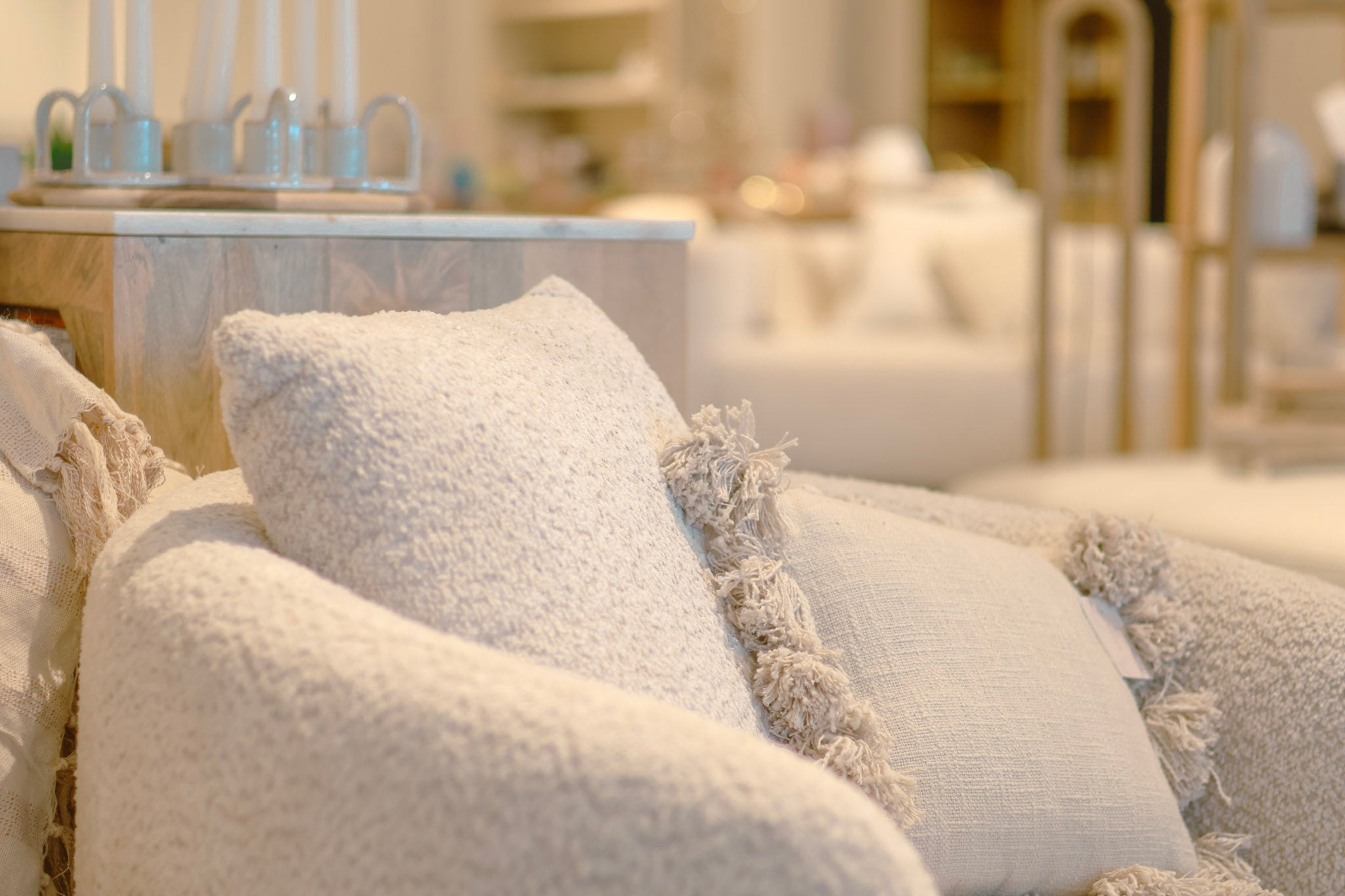
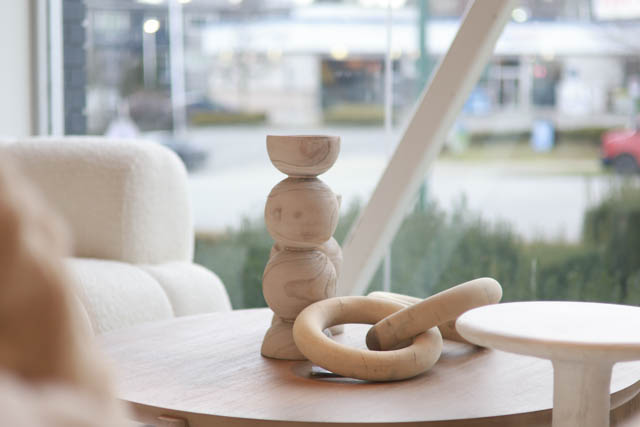
Materials such as wood, wool, linen, and cotton are commonly used to introduce warmth and tactile comfort into a space.
Simplicity and Clutter-Free Spaces
Hygge interiors prioritize intentional design and avoid unnecessary clutter, allowing spaces to feel open, calm, and balanced.
Social Connection and Meaningful Moments
Hygge also includes shared experiences such as spending time with family, enjoying conversation, or participating in quiet, meaningful activities.
Hygge in Interior Design and Home Décor
Hygge has significantly influenced Scandinavian interior design and modern home styling. It emphasizes functional beauty, natural materials, and comfort-focused environments that support everyday living.

Typical characteristics include:
- neutral colour palettes such as beige, grey, cream, and earthy tones
- comfortable seating and soft furnishings
- layered lighting using lamps and candles
- natural materials including wood, linen, and wool
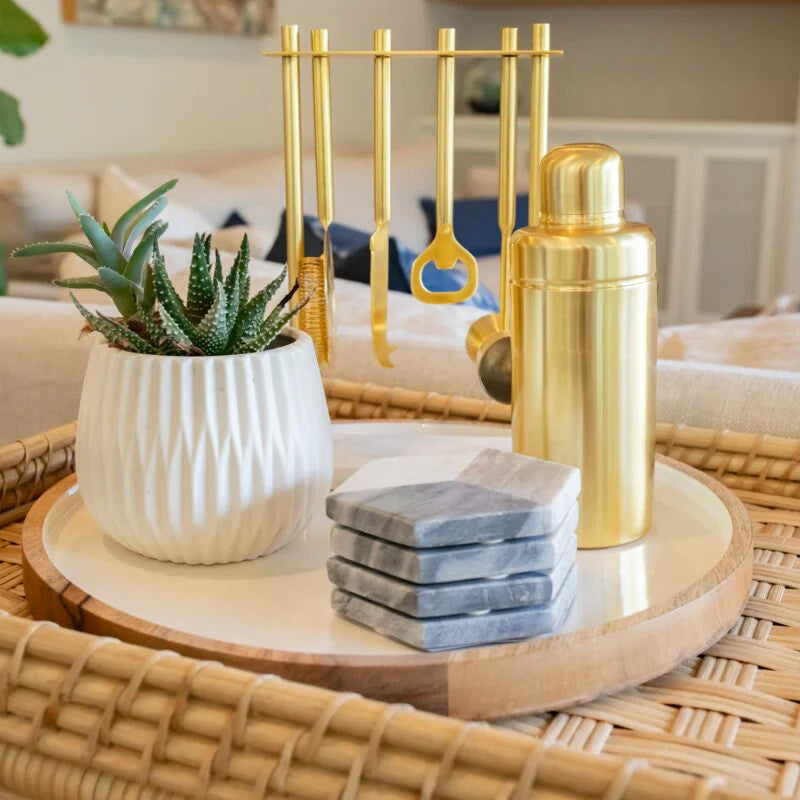
- uncluttered layouts that promote calmness and openness
Furniture in hygge-inspired interiors is selected for comfort and usability rather than decorative complexity. The focus is on creating spaces that feel welcoming, practical, and emotionally supportive.
Examples of Hygge in Everyday Life
Hygge can be experienced through simple daily activities that promote relaxation and well-being.

Common examples include:
- enjoying a warm drink in a quiet setting
- reading in a softly lit room
- spending time with close friends or family
- creating a cozy atmosphere with candles
- listening to music or engaging in creative hobbies
These experiences emphasize presence, comfort, and emotional connection.
Hygge and the Scandinavian Lifestyle Philosophy
Hygge is closely connected to broader Scandinavian lifestyle values such as balance, mindfulness, and quality of life. It encourages people to appreciate simple pleasures rather than constant stimulation.

Seasonal living also plays a role, particularly during colder months when indoor environments become central to daily life. However, hygge can be experienced year-round through both indoor and outdoor activities.
Hygge Compared to Minimalism and Lagom
Although hygge is often associated with minimalist interiors, the two concepts differ in focus. Minimalism emphasizes simplicity and reduction, while hygge prioritizes warmth, comfort, and emotional experience.
Lagom, a Swedish concept meaning “just the right amount,” also overlaps with hygge but focuses more on balance and moderation. Hygge places greater emphasis on atmosphere and the feeling of coziness.
Why Hygge Is Relevant in Modern Living
In fast-paced and digitally connected societies, hygge has gained global recognition as a way to create calm and restorative living environments. Many people seek spaces that support relaxation and emotional well-being, particularly in urban settings.
By focusing on comfort, simplicity, and meaningful experiences, hygge offers a practical approach to improving quality of life.
Global Influence of Hygge
Hygge has expanded beyond Scandinavia and is widely recognized in discussions of lifestyle, interior design, and well-being. It is often associated with Scandinavian-inspired homes and comfort-focused design approaches.
Its growing popularity reflects increasing interest in slower living, mindfulness, and creating peaceful home environments.
How to Create a Hygge Atmosphere at Home
Creating a hygge-inspired space does not require major changes. Instead, it involves thoughtful adjustments that improve comfort and atmosphere.
Simple approaches include:
- using warm, layered lighting
- incorporating soft textiles such as cushions and throws
- choosing natural and durable materials
- maintaining a clutter-free environment
- creating comfortable seating areas for relaxation
The goal is to create a space that feels personal, calm, and welcoming.
Frequently Asked Questions About Hygge
What does hygge mean?
Hygge refers to a feeling of coziness, comfort, and emotional well-being created through simple and meaningful experiences.
Is hygge only for winter?
No, hygge can be experienced throughout the year in both indoor and outdoor settings.
Is hygge a design style?
Hygge is not a specific design style but a lifestyle concept that influences interior design and everyday living.
Summary
Hygge represents a broader approach to living that prioritizes comfort, simplicity, and meaningful experiences. It continues to influence interior design, lifestyle choices, and the way people create and experience their living spaces.